How to Use the Dashboard:
Step 1: Select your desired region (ex. Dutchess)
Step 2: Filter results by indicator (ex. Children & Youth) and/or race or ethnicity
Step 3: View and analyze the in-depth data


The Mid-Hudson Valley continues to be a relatively strong region of New York State with below average poverty and above average incomes. But inflationary pressures and the reductions in federal health, nutrition and other support programs are likely to make living there harder for some. Median household income in the region has increased modestly over the last decade, and housing is a keen affordability challenge. On the positive side, jobs in the region are increasing, and growing economic sectors include traditionally high-paying ones such as Financial Activities and Professional and Business Services.
The Mid-Hudson Valley Community Profiles web tool includes 59 separate indicators that provide insight into the trends of our community over time.
Explore specific key indicators below:
The challenges facing our community’s children can diminish their chances for successful adult lives. In this section, Mid-Hudson Valley Community Profiles review several indicators that describe family supports and risk exposure of our youngest residents.
Children & Youth indicators include:
Community engagement is the extent to which individuals take responsibility for addressing civic issues and improving the life of their community.
Community indicators include:
Population measures provide insight on the changing size and face of communities, and an area's needs and assets.
Demographic indicators include:
A vibrant economy is the foundation of a thriving community. By assessing economic health and vitality, it is revealed whether and by how much an economy is expanding.
Economic indicators include:
Quality educational opportunities are critical to helping our children develop to their maximum potential and to our community’s ability to compete in the global economy.
Education indicators include:
Indicators of financial stability are a critical benchmark of a community’s well–being. Financially stressed families often need to choose between spending money on healthy food or other basic needs such as housing or health expenses.
Financial Stability indicators include:
Healthy communities are built on a foundation of healthy children, youth and adults. Affordable and accessible healthcare provides not only an important resource but also peace of mind.
Health indicators include:
Housing fulfills the basic human need for shelter and is a strong measure of a community's cost of living, relative wealth and general prosperity.
Housing indicators include:
Addressing racial inequity is essential to improving quality of life for all and requires attention on the national, state, and local level. While each indicator is illuminating and significant on its own, examining the indicators as a group tells a broader narrative about the effects of systemic racism- these policies and systems have had compounding negative effects on people throughout generations.
Racial Equity indicators include:
For a quick, at-a-glance graphic summary of indicators for key geographies, visit the Dashboard. Select the county or local area of interest and display all indicators with available data, or a subset of your choosing. Use the filter to select as many indicators as you like to create a customized Dashboard.
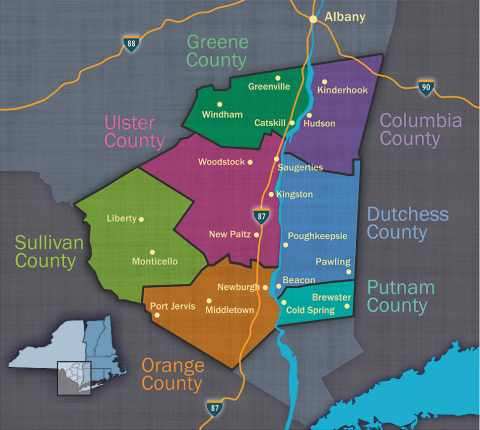
Step 1: Select your desired region (ex. Dutchess)
Step 2: Filter results by indicator (ex. Children & Youth) and/or race or ethnicity
Step 3: View and analyze the in-depth data